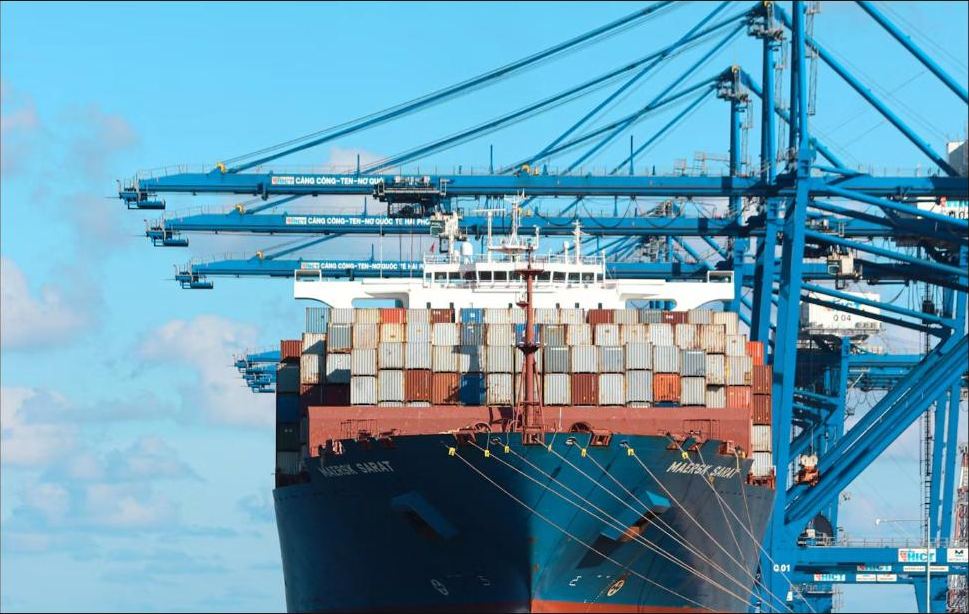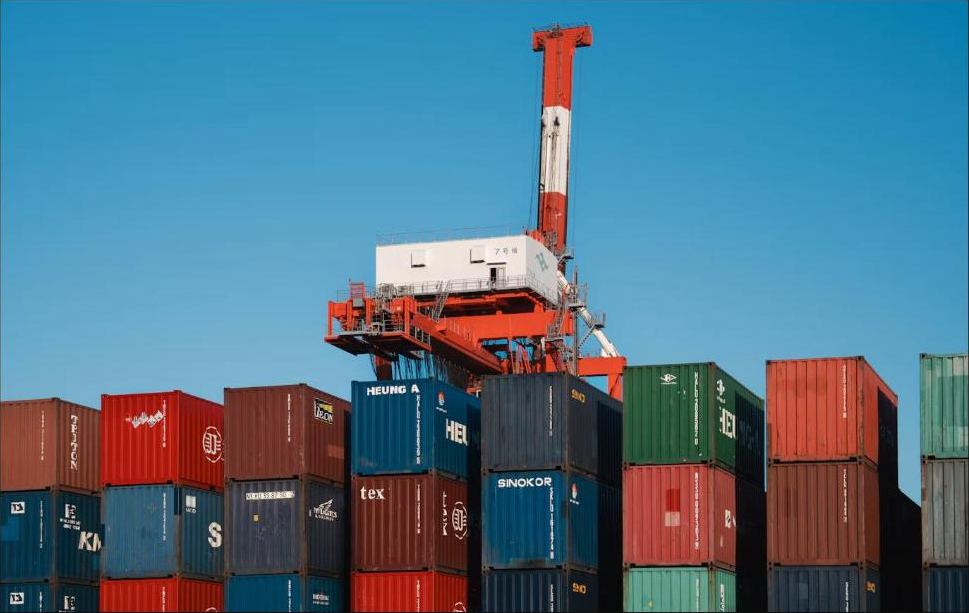
Shipping from China to USA costs anywhere from USD 5 per kg by express courier down to under USD 1 per kg in a full container, and takes between 5 and 50 days depending on the mode and the coast you deliver to. The right choice depends on three things: how heavy and bulky the order is, how soon you need it, and how much customs work you are prepared to own yourself.
Our team has moved cargo from Shenzhen, Ningbo and Shanghai to US buyers since 2016. Here are the options, the cost drivers, what customs expects of you, and the mistakes that produce surprise bills at the port.
Key takeaways
- Express for under 100 kg, air freight for 100 to 500 kg when time matters, sea LCL for 2 to 13 CBM, FCL once you reach roughly 15 CBM or more.
- Any commercial shipment over USD 2,500 needs a formal entry, a customs bond and a correct HTS code.
- Duties on Chinese goods include the base rate plus any additional tariffs in force; the rates change often and must be checked on the current HTS schedule.
- DDP is convenient for small importers, but you still carry legal exposure if the forwarder undervalues or misclassifies.
- Peak season (August to October, and the weeks before Chinese New Year) adds time and surcharges to every mode.
Shipping from China to USA: the four options compared
Each mode has a weight and volume band where it is clearly the cheapest.
| Mode | Door-to-door time | Best for | Indicative 2026 cost |
|---|---|---|---|
| Express courier (DHL, FedEx, UPS) | 5 to 8 days | Samples, urgent restocks, under 100 kg | USD 5 to 9 per kg at 50 to 200 kg; higher for small parcels |
| Air freight | 7 to 12 days | 100 to 500 kg, high-value or seasonal goods | USD 4 to 7 per kg plus clearance and delivery |
| Sea LCL (shared container) | 30 to 40 days | 2 to 13 CBM | USD 150 to 350 per CBM door to door |
| Sea FCL 20ft / 40ft | 28 to 35 days West Coast; 40 to 50 days East Coast | 15 CBM and above | 20ft USD 1,800 to 3,500; 40ft USD 2,500 to 5,000 port to port into LA |
These figures are indicative only; ocean rates swing with capacity and fuel, and air rates spike around Q4. For a deeper breakdown of when the crossover point between modes falls, see our guide to sea vs air freight from China.
East Coast deliveries go all-water via the Panama Canal into New York, Savannah or Norfolk, or to Los Angeles followed by rail. All-water is usually cheaper; LA plus rail is about a week faster but exposed to West Coast congestion.
What drives the shipping cost from China to USA
Chargeable weight for air and express
Carriers charge the greater of actual weight and volumetric weight. For air freight the divisor is typically 6,000 (L x W x H in cm divided by 6,000), and for express it is 5,000. Light, bulky goods such as pillows or plastic storage boxes can be billed at two or three times their scale weight, so compressing packaging is often the biggest saving on air shipments.
Cubic meters for sea
LCL is billed per CBM with a 1 or 2 CBM minimum. FCL is a flat rate per container, so once an LCL shipment passes roughly 15 CBM, a 20ft container is normally cheaper even if half empty.
Destination charges and port fees
Cheap port-to-port quotes leave out terminal handling, ISF filing, chassis fees, exam fees and trucking. Ask for an itemized door-to-door quote. Our freight and customs service prices this way so there is nothing to argue about on arrival.
Peak season and holidays
August through October is peak season for US imports, with rate increases and surcharges on air and sea. The weeks before Chinese New Year are the other crunch. Book two weeks earlier than usual in both windows.
US customs basics every importer must know
When you import from China to USA, someone has to be the importer of record (IOR). That party is legally responsible for the accuracy of the entry, the duties, and compliance with every agency that regulates the product. Under FOB or DAP terms that is you; under many DDP arrangements it is the forwarder's nominee.
Customs bond
Any formal entry, which in practice means commercial goods valued over USD 2,500 or goods regulated by another agency, requires a customs bond. A single-entry bond covers one shipment; a continuous bond covers twelve months for a few hundred dollars a year and is the obvious choice for anyone shipping more than a handful of times.
HTS classification and duty
Every product needs a 10-digit Harmonized Tariff Schedule (HTS) code. The code sets the base duty rate and determines whether additional tariffs on Chinese-origin goods apply. Those measures have changed repeatedly and may change again, so we do not quote percentages here. Check the current HTS schedule or ask a licensed broker to classify the product before you place a purchase order, not after the goods are on the water.
De minimis for low-value shipments
Low-value parcels historically entered the US duty free under de minimis. The rules for parcels from China have changed and remain in flux, so if your model relies on direct-to-consumer parcels from a Chinese warehouse, verify the current status with CBP before committing inventory.
Product compliance: FDA, FCC, CPSC and others
Customs clearance is not the same as regulatory compliance. Food, supplements, cosmetics and medical devices need FDA registration and, for food, FDA prior notice before arrival. Anything with a radio or that emits RF, from Bluetooth speakers to LED drivers, needs FCC authorization. Children's products need CPSC testing and a Children's Product Certificate. Wood products and some furniture need a Lacey Act declaration. Missing paperwork can mean refusal and destruction at your expense.
DDP vs DAP for US buyers
DDP (Delivered Duty Paid) means the seller or forwarder pays freight, clearance, duty and delivery, and you receive one all-in price. DAP (Delivered at Place) means they deliver to your door but you handle import clearance and pay duties yourself.
For a first order of a few cartons, DDP removes friction and we recommend it. The caveat is that cheap DDP rates are sometimes built on under-declared values or wrong classification, and if your name is on the commercial invoice you can still be pursued. Ask any DDP forwarder whether duty is calculated at the real rate for your HTS code and whether you will be the importer of record. We cover the detail in our article on DDP shipping from China.
Once you ship regularly, move to your own continuous bond, your own broker and DAP or FOB terms. Same duty, but you control the data.
Step-by-step: how to ship from China to the USA
- Classify the product. Get an HTS code and check duty, additional tariffs and any agency requirements before you confirm the order.
- Agree Incoterms with the supplier. FOB Shenzhen or Ningbo is the standard starting point; EXW if you want your forwarder to collect from the factory.
- Book a forwarder. Give them weight, dimensions, cartons, value, HTS code and the delivery address. Request a door-to-door quote with all charges listed.
- Arrange inspection and packing checks. Carton marks, pallet standards and labels should match the destination requirements, especially for Amazon.
- Documents. Commercial invoice, packing list, bill of lading or airway bill, and any certificates (FDA, FCC, test reports). ISF must be filed at least 24 hours before ocean loading.
- Customs entry. Your broker files the entry, pays duty under your bond, and releases the goods. Budget a few days and a few hundred dollars for a possible exam.
- Final delivery. Trucking to your warehouse, 3PL or FBA. Check carton counts on receipt and file claims within the carrier's window.
If you would rather hand the whole chain to one team, from factory pickup to proof of delivery, send us your shipment details on WhatsApp and we will quote door to door.
Common mistakes when importing from China to USA
- Undervaluing the commercial invoice. Some suppliers offer to "help" with a lower invoice. CBP compares declared values against databases and the penalties far outweigh the saving.
- Wrong HTS code. Picking the code with the lowest duty rather than the correct one is misclassification. It also distorts any additional tariff calculation.
- No bond in place. Goods arrive, no bond, no entry. Storage charges start on day one.
- Missing FDA prior notice or Lacey declaration. Food and wood products are held or refused when paperwork is incomplete.
- Shipping from China to USA in peak season without a buffer. A 30-day quote becomes 45 and the Q4 launch is missed.
Shipping from China to USA Amazon FBA warehouses
Amazon assigns fulfillment centers when you create the shipment plan, and they are often inland: Texas, Indiana, Pennsylvania. That means clearing at the nearest coast plus trucking or rail. Many sellers route through a US 3PL first so cartons can be re-labeled and split across FCs without touching the container plan.
Amazon also enforces carton limits, FNSKU labeling and pallet standards, and fixing these in China is cheaper than in a US warehouse. Our dedicated guide to shipping from China to Amazon FBA covers labeling, appointments and the trade-offs between direct and 3PL routing.
Whatever mode you choose, insist on visibility from factory pickup to final delivery. Our clients follow every shipment on the SourcingChamp tracking page.
Frequently asked questions
How long does shipping from China to USA take?
Express courier takes 5 to 8 days door to door. Air freight takes 7 to 12 days including airport handling and customs. Sea LCL typically takes 30 to 40 days door to door, and a full container runs 28 to 35 days to a West Coast address or 40 to 50 days to the East Coast via the Panama Canal or rail from Los Angeles. Add one to two weeks during peak season.
How much does it cost to ship from China to the USA?
Indicative 2026 ranges: express USD 5 to 9 per kg for 50 to 200 kg, air freight USD 4 to 7 per kg for 200 kg and up, sea LCL USD 150 to 350 per CBM door to door, and a 20ft container roughly USD 1,800 to 3,500 port to port into Los Angeles, a 40ft USD 2,500 to 5,000. Duties, bond, port fees and trucking come on top. Rates move weekly, so always get a dated quote.
Do I need a customs bond to import from China to USA?
Yes for any formal entry, which generally means commercial shipments valued over USD 2,500 or goods subject to other agency requirements such as FDA. You can buy a single-entry bond for one shipment or a continuous bond that covers a year of imports. Most sellers who ship more than three or four times a year find the continuous bond cheaper and simpler.
What is the de minimis rule for shipments from China?
De minimis is the value threshold under which a shipment can enter the US without formal entry and duty. The treatment of low-value parcels from China has changed substantially and remains subject to further change, so do not build a business model around duty-free small parcels. Check the current CBP guidance or ask your broker before relying on any threshold.
Is DDP or DAP better for shipping from China to the USA?
DDP is simpler for first-time importers because the forwarder handles US clearance and you receive one landed price. DAP (or FOB plus your own broker) gives you control over classification, valuation and your own bond, and it protects you if a forwarder underdeclares. Once you ship regularly or exceed a few pallets per order, moving to your own importer-of-record setup usually pays off.
Need a hand with this?
Talk to our team in China today
Send us a product photo or a link on WhatsApp and we will come back within one business day with a free project assessment: realistic prices, MOQs, lead times and shipping options.