Consolidated shipping from China means collecting goods from several factories or marketplace sellers in one warehouse, checking them, and shipping everything as a single consignment. For anyone buying from more than one supplier, it is usually the difference between paying courier rates on five small parcels and paying sea freight on one pallet.
Our team runs consolidation for clients buying from factories across Guangdong and Zhejiang, from 1688 sellers and from the Yiwu market. Here is how it works, what it costs, where it goes wrong and who it suits.
Key takeaways
- Consolidation replaces many express parcels with one LCL or FCL shipment, one customs entry and one set of documents.
- Savings are largest for 1688 and Yiwu buyers and multi-SKU Amazon sellers, often 40 to 70 percent on freight for mid-size orders.
- A good China consolidation warehouse photographs every lot on arrival, counts and inspects, repacks, labels and books freight.
- Expect 5 to 10 days of consolidation time on top of transit; the slowest supplier sets the pace.
- Watch for mixed HS codes on one entry, prohibited items hidden in mixed cargo, and late suppliers holding the whole load.
What consolidated shipping from China actually is
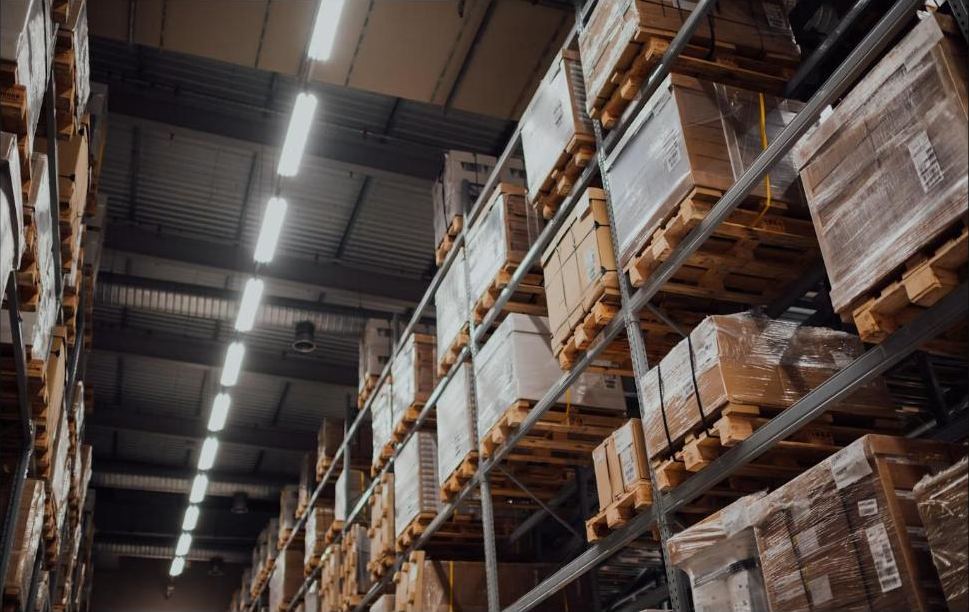
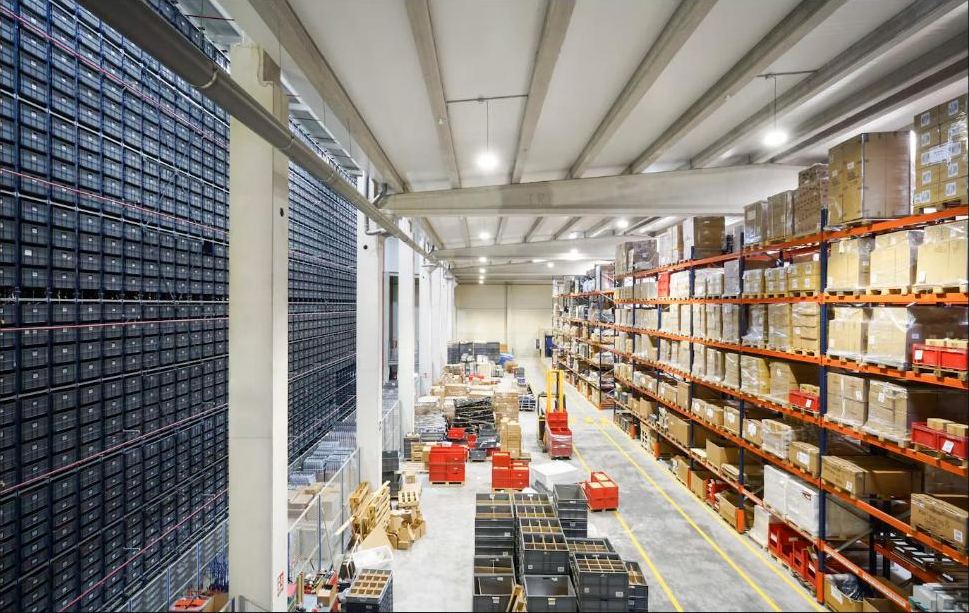
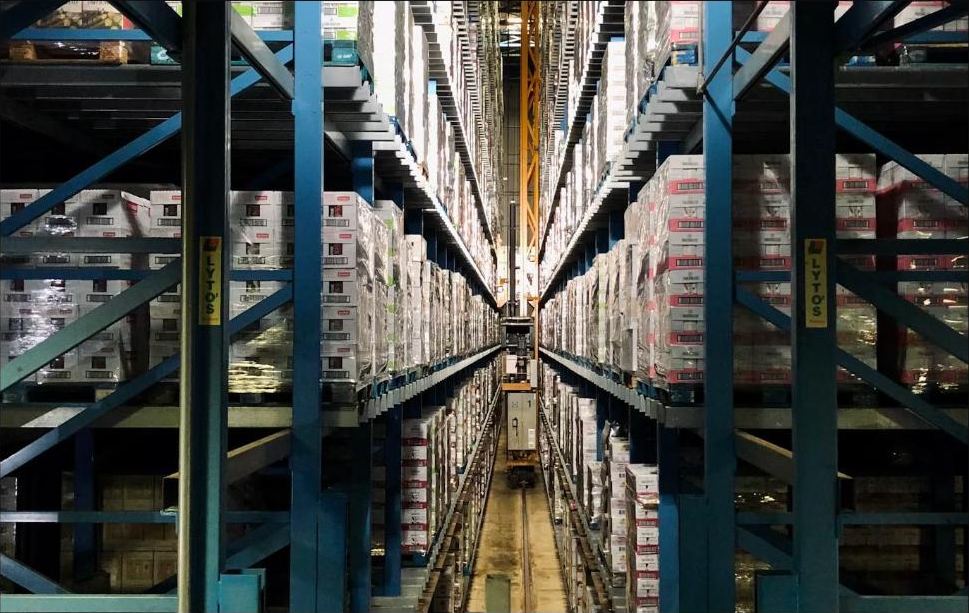
A consolidation warehouse is a receiving point in China, typically in Shenzhen, Guangzhou or Yiwu, where your suppliers deliver by cheap domestic courier or truck. The warehouse logs each lot against your order, inspects it, repacks or relabels where needed, and holds it until every lot has arrived. Then the whole batch is palletized or loaded into a container and shipped under one bill of lading to your warehouse, 3PL or Amazon fulfillment center.
The alternative, each supplier shipping internationally on its own, means separate freight minimums, clearance fees and duty assessments, and no one checking the goods before they leave. For 1688 buyers it is often not even possible, because most domestic sellers cannot export. Our guide on how to buy from 1688 covers that side in detail.
Why cargo consolidation saves money
The savings come from three places.
Freight mode. Five parcels of 30 to 80 kg each are stuck on express rates. Combined into 3 CBM, they qualify for sea LCL, which costs a fraction per kilogram.
One customs entry. Each international shipment triggers a clearance fee, a possible bond or deferment charge, and a separate duty assessment. One entry means one fee and one chance for something to go wrong.
One set of documents. One commercial invoice, one packing list, one bill of lading. The consolidator issues them in a form customs accepts, which is especially valuable when the original sellers cannot.
A worked example (illustrative)
| Item | Five suppliers shipping separately by express | Consolidated into one 3 CBM LCL |
|---|---|---|
| Total weight / volume | 5 x 60 kg = 300 kg | 300 kg, 3 CBM |
| Freight | 5 x 60 kg x USD 7 per kg = USD 2,100 | 3 CBM x USD 250 = USD 750 |
| Clearance and handling | 5 entries, roughly USD 50 to 100 each = USD 250 to 500 | 1 entry, included or about USD 100 |
| Warehouse charges | None | Receiving, inspection, repacking: about USD 150 to 250 |
| Transit time | 5 to 8 days | 30 to 40 days plus 5 to 10 days consolidation |
| Indicative total | USD 2,350 to 2,600 | USD 1,000 to 1,100 |
The figures are illustrative, but the shape holds across most cases: consolidation roughly halves the landed freight cost in exchange for a longer lead time. If timing is tight, the same consolidation can go by air and still beat five express shipments, because air rates on 300 kg are well below courier rates on 60 kg lots. See our comparison of sea vs air freight from China for the crossover points.
The consolidation workflow step by step
- Share the order list. You give the warehouse a list of suppliers, products, quantities and expected delivery dates, plus your destination and any labeling requirements.
- Suppliers ship domestically. Each factory or seller sends goods to the warehouse by domestic courier or truck for a few dollars per carton, marked with your order reference.
- Receiving and counting. On arrival the warehouse scans the lot, counts cartons and units, weighs and measures, and photographs the goods. You get a receiving report within a day.
- Inspection. This ranges from an opening check for damage and obvious defects to a full AQL sampling inspection with a report. Problems are caught while a return to the seller still costs almost nothing.
- Relabel and repack. Weak cartons are replaced, units poly-bagged or bundled, FNSKU or retail barcodes applied, and oversized packaging reduced to cut CBM.
- Consolidation. All lots are combined on pallets or loose-loaded, a consolidated packing list is produced, and the commercial invoice is prepared with the correct HS codes per line.
- Booking freight. Sea LCL, FCL, air or express depending on volume and urgency. The warehouse books, files export declarations and hands over to the forwarder.
- DDP delivery. Clearance, duty and final delivery to your warehouse or FBA, with tracking throughout.
Most of our clients run this on a rolling schedule: a cut-off every one or two weeks, and whatever has arrived ships.
What a good China consolidation warehouse offers
- Photos on arrival of every lot, including labels and carton condition.
- Inspection options from a basic visual check to a formal AQL inspection, with the ability to reject and return a lot to the supplier.
- Clear storage terms with a free period and a published weekly rate.
- Labeling and FBA prep: FNSKU, poly bags, suffocation warnings, bundling, carton and pallet labels, shipment plan creation.
- Returns handling to suppliers when an inspection fails.
- Correct documentation: one invoice and packing list with HS codes per line.
- Freight choice: sea, air and express quoted side by side, not one channel pushed.
Our warehousing and FBA prep service covers all of these from our Guangdong and Yiwu facilities. For the Amazon-specific side, including label rules and prep standards, read our guide to using an Amazon FBA prep center in China.
Consolidated shipping from China: costs to expect
| Charge | Indicative 2026 range | Notes |
|---|---|---|
| Receiving | USD 1 to 3 per carton | Includes counting, photos and receiving report; often waived if freight is booked through the warehouse |
| Inspection | USD 20 to 60 per lot for a basic check; USD 200 to 350 per man-day for a full AQL inspection | Full inspections usually only on higher-value or branded goods |
| Storage | Free for 7 to 30 days, then USD 5 to 15 per CBM per week | Negotiate a longer free period if you consolidate monthly |
| Repacking and labeling | USD 1 to 3 per carton; USD 0.15 to 0.40 per unit for FNSKU and poly bag | Carton replacement charged at cost |
| Palletizing | USD 15 to 30 per pallet | Required for most FBA and 3PL deliveries |
| Freight | Sea LCL USD 150 to 350 per CBM door to door; air USD 4 to 7 per kg; express USD 5 to 9 per kg | Charged on consolidated volume or weight |
All figures are indicative. The test of a quote is whether handling fees stay small relative to the freight saving.
Timeline
From the last supplier delivery to departure takes 3 to 5 days in a well-run warehouse. The consolidation window, waiting for every supplier to deliver, is usually 5 to 10 days from order, longer if a factory is producing to order. Add transit: 5 to 8 days express, 7 to 12 days air, 30 to 40 days sea LCL door to door. A mixed 1688 order to the US by sea is 6 to 8 weeks from payment to delivery.
If you want us to set up a consolidation address and a cut-off schedule for your suppliers, message our team on WhatsApp with your supplier list and destination.
Pitfalls to plan for
- Late suppliers hold the whole load. One factory running two weeks behind delays everything. Set a cut-off and ship without stragglers, or split them to a later batch.
- Mixed HS codes on one entry. Consolidated cargo is still declared line by line. A lazy invoice listing "household goods" at one value invites examination and misclassification penalties. Every product needs its own code and value.
- Prohibited or regulated items in mixed cargo. One lot of lithium batteries, aerosols, magnets or liquids can ground a whole air consolidation or trigger a sea freight DG surcharge. Declare these to the warehouse up front.
- Counterfeit goods. One infringing carton puts the whole shipment at risk of seizure.
- Grey-channel DDP. Some consolidators offer landed prices built on undervaluation. Ask whether duty is assessed at the real rate for each HS code.
Who consolidated shipping suits
Amazon multi-SKU sellers. Ten products from six factories become one FBA shipment, prepped and labeled in China, with one plan and one receiving appointment.
Yiwu and 1688 buyers. Market stalls and domestic sellers cannot export. A consolidation warehouse turns a basket of small domestic orders into an exportable shipment with proper documents. Our Yiwu market guide explains how buyers typically combine market purchases this way.
Small businesses and retailers. A boutique buying from four suppliers twice a year needs one pallet every six months at sea rates, and consolidated shipping from China delivers exactly that.
Brands adding packaging. Product from one factory, gift boxes from another, inserts from a printer: consolidation lets you kit everything before it leaves China.
Consolidation matters less when you buy from one exporting supplier or the order is urgent enough for express anyway. For everyone else buying from more than one source, it is the default way to ship.
Frequently asked questions
What is consolidated shipping from China?
Consolidated shipping means goods from several suppliers are collected at one warehouse in China, checked, repacked where needed, and shipped to you as a single consignment under one bill of lading and one customs entry. Instead of five separate parcels with five sets of fees, you get one LCL or FCL shipment with one landed cost.
How much does cargo consolidation in China cost?
Typical warehouse charges are USD 1 to 3 per carton for receiving, USD 20 to 60 per supplier lot for inspection, free storage for 7 to 30 days then around USD 5 to 15 per CBM per week, and USD 1 to 3 per carton for repacking or labeling. Freight is charged separately on the consolidated volume. Many warehouses waive handling when you book the freight through them.
How long does consolidation add to shipping time?
Usually 5 to 10 days: a few days for all suppliers to deliver, one to two days for counting and inspection, and one to two days for repacking and booking. The real variable is the slowest supplier. We set a cut-off date and ship without any lot that misses it unless you tell us to wait.
Can I consolidate 1688 and Yiwu market purchases?
Yes, and this is one of the most common uses. 1688 sellers and Yiwu market stalls ship domestically to the consolidation warehouse by cheap local courier, the warehouse checks each lot, and everything goes out together. It also solves the problem that most of these sellers cannot export or produce proper commercial documents themselves.
Can a consolidation warehouse prepare goods for Amazon FBA?
Most good ones can. Services usually include FNSKU labeling, poly-bagging, bundling, carton labels, pallet building and creating the shipment plan to the correct fulfillment centers. Doing this in China costs a fraction of US or EU prep center rates and the goods arrive at Amazon ready to receive.
Need a hand with this?
Talk to our team in China today
Send us a product photo or a link on WhatsApp and we will come back within one business day with a free project assessment: realistic prices, MOQs, lead times and shipping options.